project of art evolution 01
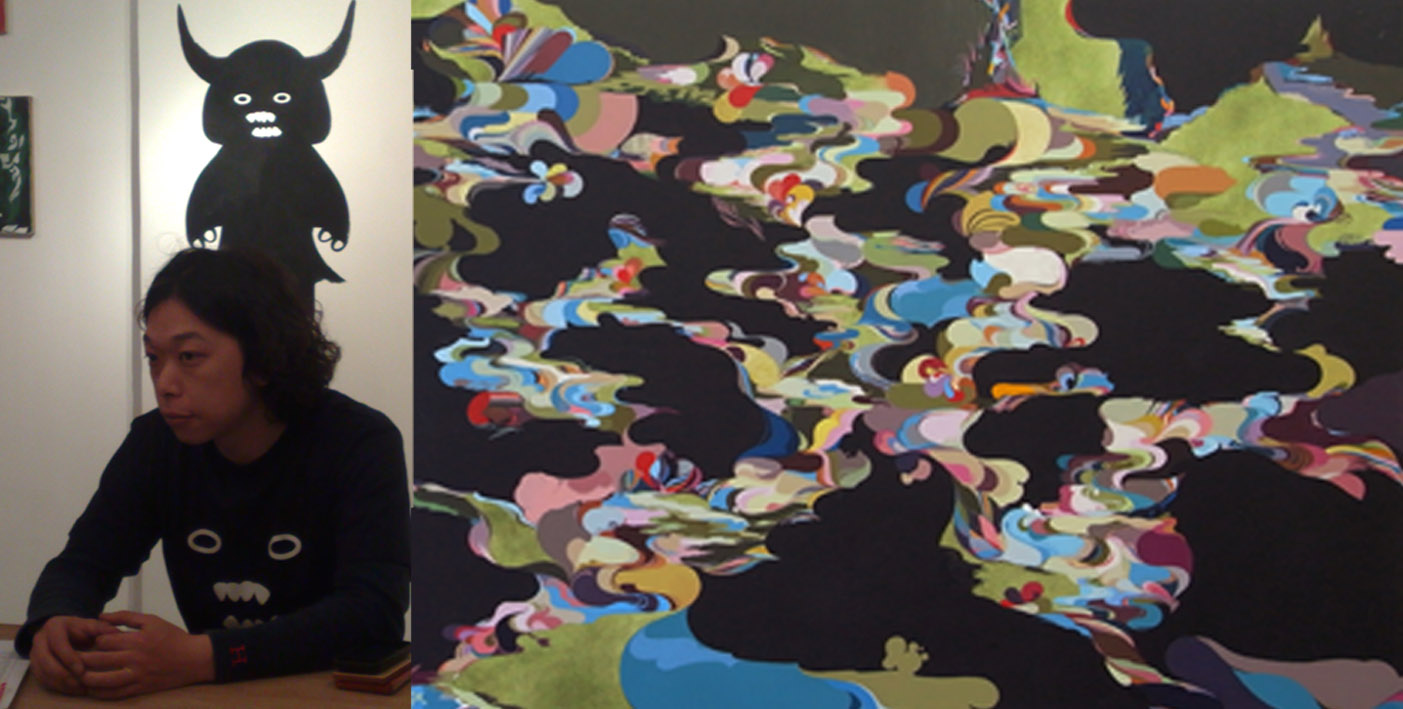
Painter Viwa 比巴
Viwa wants to recreate the modern version of decorative arts and their composition from the Edo Period. His works are inspired from the paintings on the traditional
folding screens - byobu, and the traditional sliding doors - fusuma, primarily
served the purpose of decoration, and that the role of the images and patterns on the surface,
represented the method of déformer, is to provide a contrast in order to
bring out their decorative function. He believes that, aside from serving as a
medium of expression for the artist, paintings can also play a decorative
role.His goal is to create unique images by reproducing history while at the
same time incorporating modern elements such as street culture and graffiti into
the design. By examining the historical era in which decorative arts
flourished and their roles in that historical context, he hopes to present the
role of art in the world today as well as the direct link between the modern
world.
 |
garment: digital print on 100% silk chiffon
model: Kara E.
|
Fashion Designer Meiyi Cheung
Meiyi believes fashion is
not just for chase and grab. It is a piece of
delicately crafted art piece that goes with the form, sensation and motion of
human body, presents to the rest of the
world who we are. While clothes serves as our protection gear against nature, fashion turns us
into a piece of walking art.
Each season, Meiyi collaborates with artists
from different discipline. Use fashion as a tool to develop the 2nd life of the artist's work. She uses textile, elements of trend and outfit silhouette to address the beauty of the original work.
Meiyi turned Viwa's painting into one of her six fashion theme- the element of women, vigour. She saw the lines and movement of the pattern and color usage symbolizes the inner energy of modern women, splendid and continuous.
 |
material: cardboard, colored paper,
wooden dowel
technique: laser cut and lamination
|
Head piece artist Tricia Flanagan 傅織女
To Tricia, 'Vigour' draws on the landscape of the
body. The topographic mapping is not eroded as a usual landscape would be -
worn down from the weather, on the contrary the shapes evoke an upward
energetic movement like splashing water, reflects the vigorous lifestyle of
nowadays women.


 "
"


